



 Call for Consultations:


Commercial Crockery for Cafes UK: How to Choose Tableware That Lasts
Choosing commercial crockery for cafes UK businesses can rely on is essential for everyday service. From coffee cups and saucers to plates and bowls, the right tableware helps cafés balance attractive presentation, durability and practical daily use.
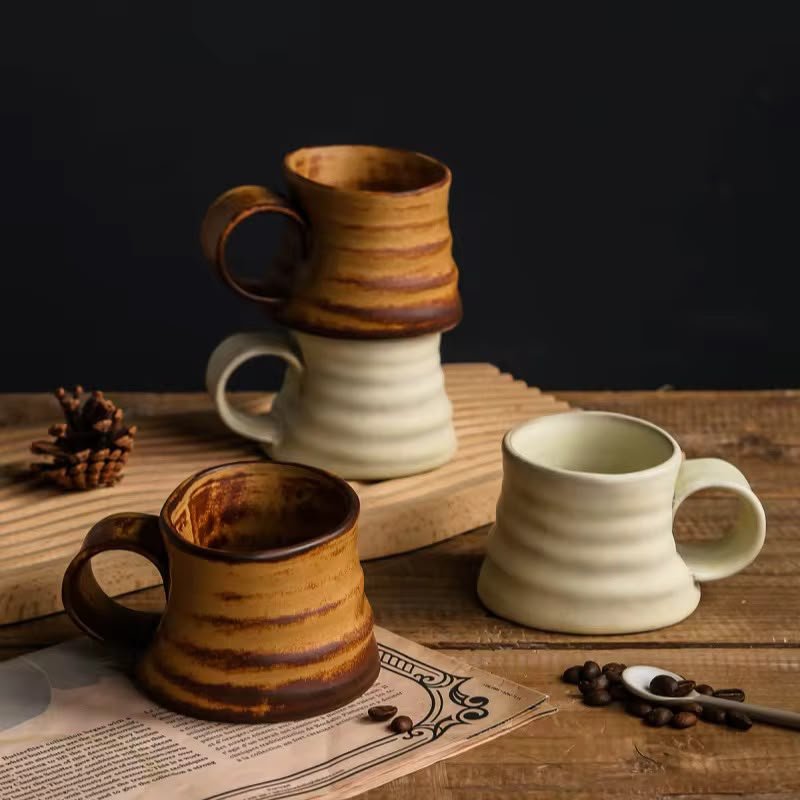
Domestic crockery may look attractive at home, but busy cafés need tableware suitable for frequent handling and commercial washing. Poorly chosen cups and plates may chip, stain or become difficult to replace.
Whether you are opening a new café or replacing worn tableware, this guide explains how to choose practical cups, plates and bowls for daily commercial use.
1. Look for Vitrified and Commercial-Grade Crockery
Vitrified ceramic crockery is fired at high temperatures to create a dense, less porous material. Depending on the product, this can help reduce water absorption and improve resistance to staining.
When choosing commercial crockery for cafes UK, check the manufacturer’s specifications instead of relying on appearance alone. Look for products intended for professional food service and suitable for your dishwasher.
- Reinforced rims: A suitable rim design can help reduce everyday chipping.
- Glazed bases: Check the base finish to help minimise scratching when pieces are stacked.
- Stable stacking: Plates and bowls should stack securely.
- Product specifications: Confirm the supplier’s care and washing guidance.
Pay attention to the rim and base when examining crockery. These areas experience frequent contact during handling, washing and storage.
2. Choose a Practical Weight for Everyday Service
The best commercial crockery for cafés should feel solid without being unnecessarily heavy. Very delicate cups may look elegant, but thin rims can be less practical in busy environments where items are handled repeatedly.
Heavy stoneware can also make trays more difficult for staff to carry. Remember that weight alone does not guarantee strength; material quality, glaze and design matter too.
If possible, request a sample before placing a large order. Use it during normal service and follow the manufacturer’s cleaning instructions to see whether it suits your café.

3. Make Sure Your Crockery Suits Your Dishwasher
Commercial dishwashers are designed for frequent cleaning, but high temperatures, detergents and repeated washing can affect certain finishes and decorative details.
- Avoid delicate decorative pieces for everyday service unless the manufacturer confirms they are suitable.
- Check whether matte glazes and coloured finishes are suitable for commercial dishwashing.
- White and neutral crockery can be easier to match when replacing individual pieces.
- Make sure plates and bowls fit your dishwasher racks correctly.
- Follow the manufacturer’s washing and handling instructions.
Avoid overloading dishwasher racks. Good washing, cooling and storage practices can help reduce unnecessary damage and extend the useful life of your crockery.
4. Choose a Small, Consistent Crockery Range
Choosing a different plate, bowl and cup for every menu item may seem attractive, but too many styles can complicate stock management. A consistent range helps your café maintain a coordinated appearance and makes replacement easier.
A practical starting range for many cafés includes:
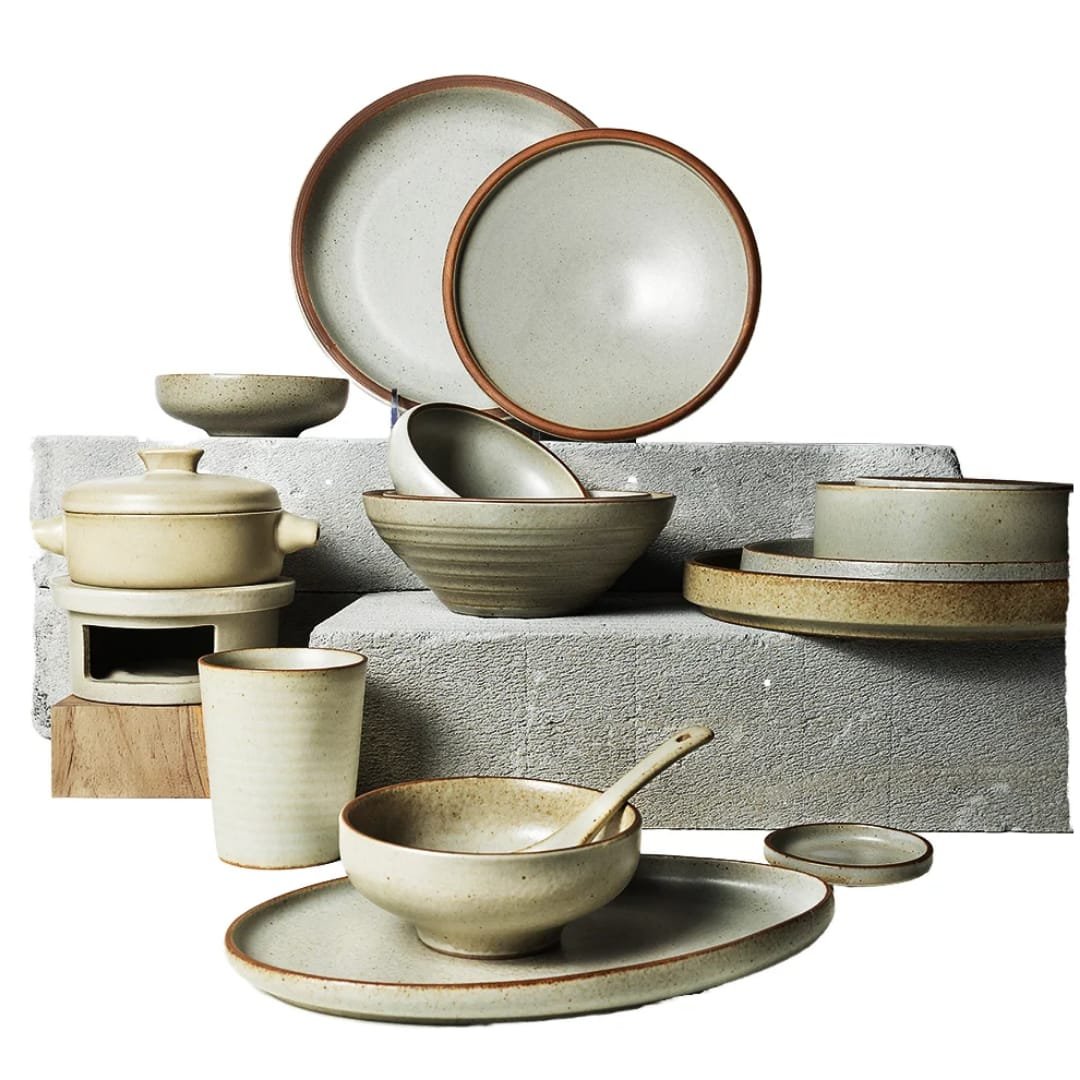
- One main plate size for breakfast, lunch and cake.
- One side plate for toast and pastries.
- One or two bowl styles for porridge, granola or other dishes.
- A smaller cup for cappuccino or flat white and larger mugs for tea or other drinks.
- A serving platter if sharing dishes or brunch boards are on the menu.
Your final selection should reflect your menu, customer numbers, storage space and washing cycle. Some busy cafés plan for around two to three times their seat count in frequently used cups and main plates, but this is only a starting estimate.

Explore the OpulentWare UK collections for cups and mugs, bowls and dinnerware options.
5. Choose Crockery That Complements Your Food and Drinks
Crockery is part of the customer experience. The right plate or cup can make food and drinks look appealing while supporting your café’s overall identity.
- White and cream: Versatile colours for coffee, cakes and colourful brunch dishes.
- Earthy stoneware: A natural look for relaxed café interiors.
- Darker finishes: Can create contrast with lighter food, but should be tested for visible scratches and marks.
- Practical cup shapes: Choose cups that suit your drinks and feel comfortable to hold.
Before investing in a complete range, consider how your crockery works with your menu, furniture, lighting and branding. Consistency can help create a professional dining experience.
6. Consider the Cost of Breakages
The lowest purchase price does not always provide the best value. A cheaper cup that needs frequent replacement may cost more over time than a more durable, suitable alternative.
For example, compare two hypothetical cups: one costs £2 and needs replacing several times, while another costs £5 and lasts considerably longer. The better choice depends on actual lifespan, cleaning requirements and replacement availability.
When comparing crockery options, consider:
- Price per piece and the total quantity required.
- Expected breakages and replacement frequency.
- Whether matching products will remain available for reordering.
- Delivery costs and minimum order quantities.
- The time spent managing damaged or mismatched crockery.
Keep a record of breakages once your café is operating. If replacements become unusually frequent, review product quality, washing processes, stacking arrangements and staff handling.
7. Improve Storage and Handling
Everyday habits can make a difference to how long your crockery remains in service. Even good-quality commercial tableware needs suitable storage and careful handling.
- Stack plates of the same size together and avoid unstable, excessively high stacks.
- Store cups on suitable shelves or racks, following the manufacturer’s guidance.
- Prevent crockery from knocking against heavy pans and metal cutlery.
- Train staff to carry manageable loads safely.
- Remove chipped or cracked pieces from service and replace them promptly.
These practices can help protect your investment, maintain a consistent presentation and reduce avoidable replacement costs.
Our Café Crockery Checklist
Before ordering commercial crockery for your café, check the following:
- ✓ Is the crockery suitable for commercial food service?
- ✓ Is it compatible with your dishwasher?
- ✓ Does it stack securely and fit your storage space?
- ✓ Is the weight practical for staff?
- ✓ Have you tested a sample before ordering in bulk?
- ✓ Have you planned enough stock for service and washing cycles?
- ✓ Can you reorder matching pieces when required?
- ✓ Does the style suit your menu and café interior?
Final Thoughts on Commercial Crockery for Cafes UK
Your crockery is part of your customers’ everyday experience. It holds their coffee, cakes, breakfasts and lunches, helping communicate the quality and personality of your café.
Choosing suitable materials, practical designs and a consistent range can help your business balance presentation with everyday demands. Combine that choice with good storage and washing practices to make your tableware work harder for your team.
For more guidance, read our Complete Tableware Guide for Cafés and Hospitality Businesses .
Need Help Choosing Crockery for Your Café?
Tell OpulentWare UK how many seats you have, whether coffee or food is your main focus, and what style you prefer. We can help you explore cups, plates and bowls for your business.
Email: sale@opulentware.co.uk
Leave A Comment