



 Call for Consultations:


OPULENTWARE UK | RESTAURANT GUIDE
How Many Plates Does a Restaurant Need? A Complete Opening Checklist
Wondering how many plates does a restaurant need before opening? Plan your crockery carefully so your team can serve every guest without running short of clean plates, bowls, cups or glasses.
You’ve sorted the kitchen, menu, staff and dining area. But have you planned how many plates does a restaurant need for daily service? Running out of clean plates during a busy service can slow down your team and affect the dining experience.
This practical guide explains how to estimate restaurant crockery quantities for a 30-seat café, a 60-seat restaurant or a larger 100-seat venue. Use these estimates as a starting point and adjust them to your menu, washing capacity and table turnover.
1. Calculate Plates Based on Seating Capacity
Your restaurant’s seating capacity is only the starting point. You also need to account for crockery in the dishwasher, pieces awaiting washing and spare items for breakages.
For example, a 40-seat restaurant may need approximately 100–120 dinner plates to manage a busy service comfortably. This is a planning estimate rather than a fixed requirement.
2. Restaurant Crockery Opening Checklist
Dinner Plates
Suggested quantity: 2.5–3 plates per seat. Versatile dinner plates around 27–28 cm are a practical starting point for many restaurant menus.
Starter and Side Plates
Suggested quantity: around 2 per seat. Use them for starters, bread, side dishes and desserts.
Bowls for Soup, Pasta and Desserts
Suggested quantity: 1.5–2 bowls per seat. Restaurants serving ramen, pasta, curries or other bowl-based meals may need more.
Serving Platters and Sharing Dishes
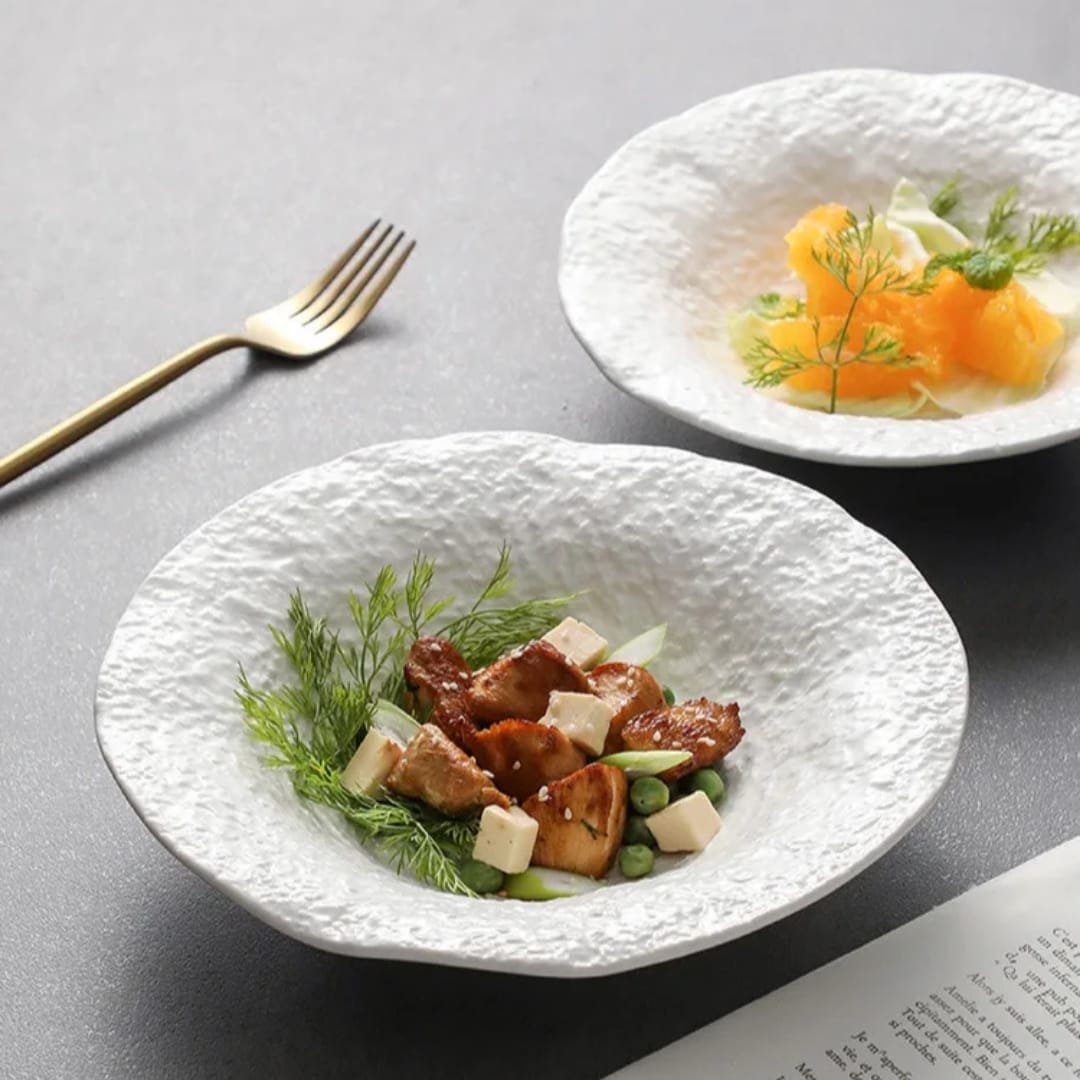
Start with approximately one platter for every 3–4 tables, plus extra pieces for busy periods. Choose different sizes to suit your sharing menu.
Cups, Saucers and Mugs
Cafés serving coffee throughout the day may want at least 2 cups per seat, with additional pieces for popular drinks. Restaurants serving only occasional hot drinks may need fewer.
Glassware
As a starting estimate, plan for 2–2.5 water glasses per seat and 1.5–2 wine glasses per seat where required. Consider your drinks menu and glasswashing capacity.
Cutlery
Allow around 2.5–3 full cutlery settings per seat. Include the knives, forks and spoons required for your menu.
3. How Many Plates Does a Restaurant Need for 30, 60 and 100 Seats?
The following checklist provides an estimated starting quantity for different restaurant sizes. Adjust these numbers to your service style, menu and washing arrangements.
| Item | 30 Seats | 60 Seats | 100 Seats |
|---|---|---|---|
| Dinner plates | 75–90 | 150–180 | 250–300 |
| Starter / side plates | 60 | 120 | 200 |
| Bowls | 50–60 | 90–120 | 150–200 |
| Cups and mugs | 60–75 | 90–120 | 150–200 |
| Water glasses | 65–75 | 130–150 | 220–250 |
| Wine glasses | 45–60 | 90–120 | 150–200 |
| Serving platters | 10–12 | 18–24 | 30–40 |
| Cutlery settings | 75–90 | 150–180 | 250–300 |
These quantities are estimates, not universal standards. Restaurants with rapid table turnover or limited washing capacity may need additional stock.
4. Keep Spare Crockery for Breakages
Chips, cracks and breakages are part of everyday restaurant operations. Consider keeping spare stock of around 20% above immediate service requirements, depending on your usage.
- Order spare pieces while your chosen range is available.
- Choose durable crockery suited to frequent commercial use.
- Check whether matching items can be reordered.
- Inspect crockery regularly and remove damaged pieces from service.
5. Consider Storage and Kitchen Space
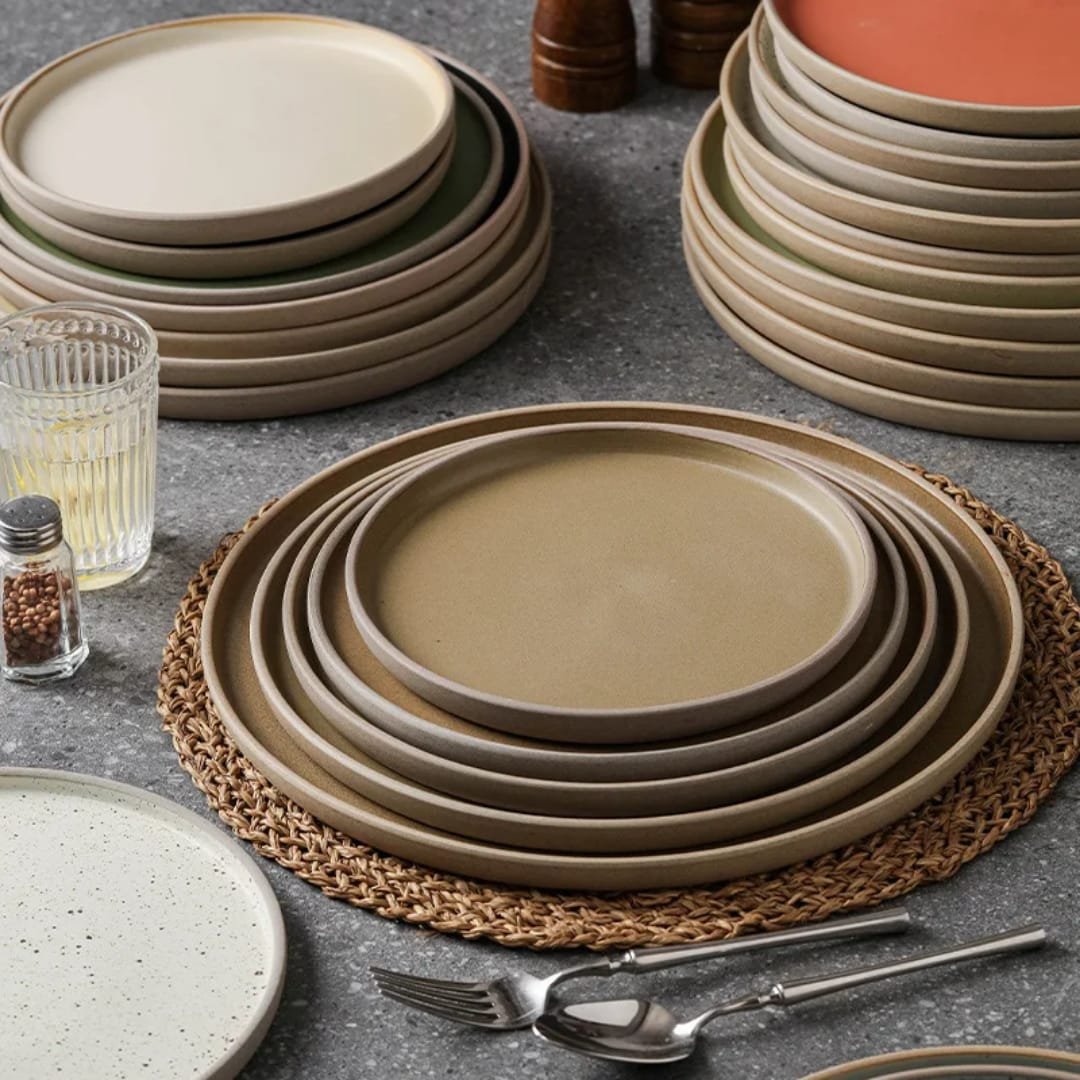
Before ordering, check where clean and used crockery will be stored. Stackable plates and bowls can help make better use of limited kitchen space.
Check that plate sizes fit your dishwasher racks and that staff can safely move items during busy services. Keeping your initial range focused can also simplify storage and replacement.
6. Control Crockery Costs Without Compromising Quality
- Prioritise the plates, cups and glasses used most often.
- Choose a manageable range that suits your menu.
- Compare durability and replacement availability.
- Ask your supplier about minimum order quantities and lead times.
7. Match Your Crockery to Your Menu
Your menu should guide your crockery choices. Fine dining, casual cafés and busy bistros all have different requirements. Choose plate sizes for your main courses, bowls for soups and pasta, and platters that suit your sharing dishes.
Planning your quantities before ordering helps you prepare for opening day and gives your team the crockery it needs throughout service.
Planning Your Restaurant Crockery Order?
OpulentWare UK supplies tableware for restaurants, cafés and hospitality businesses. Tell us your seating capacity and menu to discuss suitable crockery options.
Discuss Your Order on WhatsAppExplore Our Collections | Contact Us
Email: sale@opulentware.co.uk
Frequently Asked Questions
How many plates does a restaurant need for 50 seats?
A 50-seat restaurant can start with around 125–150 dinner plates, then adjust quantities to its menu and service needs.
How much spare crockery should a restaurant keep?
Around 20% above immediate service requirements is a useful starting buffer. Actual needs depend on breakages and usage.
Can I start with less crockery and order more later?
Yes, if your chosen range remains available and additional pieces can be reordered. Plan core items carefully before opening.
3 Replies to “How Much Crockery Does a New Restaurant Need? A Complete Opening Checklist.”
admin
hy
How to Choose Crockery for Your Café Survives Daily
[…] How Much Crockery Does a Restaurant Need? […]
Essential Glassware for Restaurants & Bars: 9 Must-Haves
[…] Explore our tableware collections or read our guide to restaurant crockery quantities. […]