How to Reduce Crockery Breakage in Your Restaurant: 11 Practical Ways to Cut Replacement Costs
Discover practical ways to reduce crockery breakage restaurant-wide. Learn how better handling, storage, stacking and commercial-grade tableware can help protect your investment.
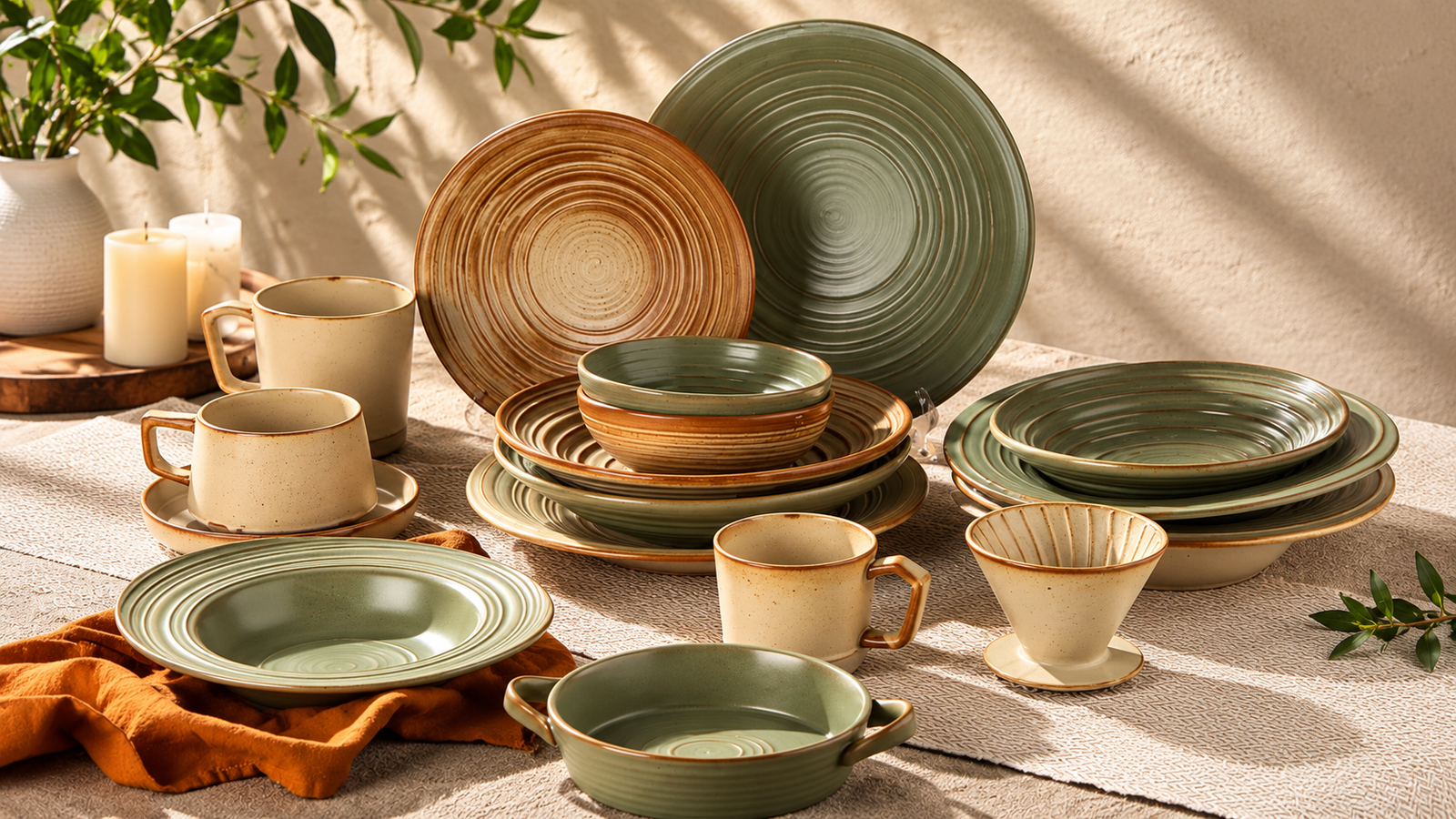
Nobody puts "plates we smashed" in the business plan.
But every restaurant, café and hotel in the UK pays that bill, month after month. A chip here, a cracked bowl there, a whole tray on a wet floor on a Saturday night. On its own, each one feels trivial — a few pounds. Added up over a year, breakage can quietly cost a busy venue several thousand pounds, plus the embarrassment of mismatched tables when you can't get a matching replacement quickly.
The good news is that breakage isn't mostly bad luck. When you look closely at venues with low replacement rates, they're not lucky. They do a handful of simple things differently. Here are the eleven that make the biggest difference.
First, Know Your Number
Before you fix anything, measure it. For one month, keep a simple count: every chipped or broken piece goes in a separate box, not straight in the bin.
At the end of the month you'll know three things — how much you're really losing, which pieces break most, and often, when it happens. Many owners are shocked. A venue that thought it had a "plate problem" discovers it's actually cups chipping in one particular dishwasher rack, or bowls cracking on one particular shift.
A normal, well-run venue should expect to replace around 10% to 20% of its crockery a year. If your monthly box suggests you're heading for 30% or 40%, something in this list will fix it.
1. Buy Commercial-Grade, Vitrified Crockery in the First Place
This is the biggest lever of all. Domestic dinner sets are made for a family dishwasher and gentle use. In commercial service, they chip at the rim, craze in hot wash cycles and crack with temperature changes.
Vitrified, commercial-grade porcelain and stoneware is fired to be dense and non-porous, with reinforced rims designed for stacking, scraping and a commercial dishwasher running all day. It costs more per plate and far less per year.
We explain the material differences fully in our guide to porcelain, bone china, stoneware and melamine .
If you're replacing the same cheap plates every four months, you don't have a breakage problem. You have a buying problem.
2. Stop Chips at the Rim — Where Almost All Damage Starts
Most chips don't happen when a plate is dropped. They happen when plates knock against each other, against cutlery, or against metal surfaces during clearing, washing and stacking.
Train the habit: ceramic never meets metal at speed. Clear plates into plastic or rubber-lined bus boxes, not metal trays. Scrape with a soft scraper, not a knife. Keep cutlery in its own soak tub rather than thrown on top of plates.
It sounds small. Across 200 covers a day, it's the difference between a handful of chips a month and a handful a week.
3. Fix Your Stacking
Correct stacking helps prevent plates from knocking against each other and reduces the risk of accidents during busy service.
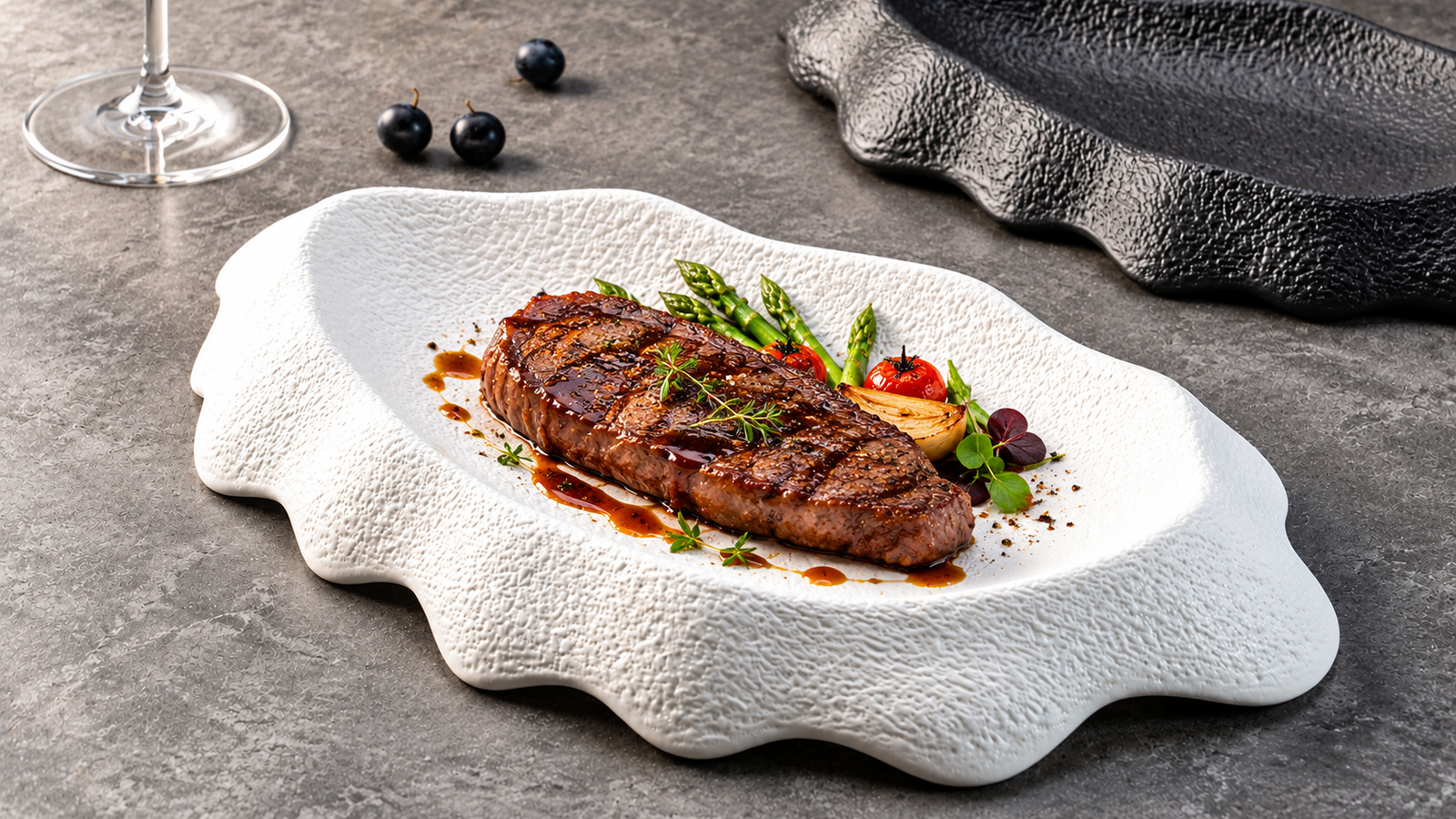
- Stack plates of the same size together, never mixed sizes in one pile.
- Don't stack higher than is stable — for most dinner plates, around 20 is a sensible working stack for storage shelves that staff reach into all day.
- Use plate racks or dividers for your best ranges if you have them.
- Never stack cups inside each other unless they're designed for it. That's how handles snap.
A tidy, consistent stacking system also speeds service up. Staff who aren't fighting a wobbling tower drop fewer plates. It's that simple.
4. Treat the Dishwasher as Part of the Team
The commercial dishwasher is where crockery spends a large part of its life, and a few routines protect it:
- Load plates with space between them so they don't vibrate against each other in the cycle.
- Don't jam bowls and plates in at angles to squeeze in "just one more".
- Check racks for bent prongs and damaged edges — a worn rack causes more chips than most staff habits.
- Let crockery cool for a moment before stacking it hot. Hot ceramic is more vulnerable to thermal shock and to chipping when knocked.
5. Give Hot and Cold Their Distance
A plate straight out of a hot wash that gets cold food or a cold surface, or a chilled plate rushed under a heat lamp, is under stress you can't see. Over time, those tiny stresses become cracks — often the mysterious "it just broke in my hand" ones.
You can't slow service down for physics, but you can avoid the worst of it: don't stack straight from the machine while pieces are steaming hot, and don't store crockery in a freezing back area and then send it straight into a hot wash.
6. Carry Less, More Safely
Most dramatic breakages — the ones the whole dining room hears — happen between the table and the kitchen.
The rule for every new starter is simple: a tray or a stack you can control beats a second trip saved. Overloaded trays, plates balanced up a forearm, and glasses carried inside each other are how a £3 mistake becomes a £30 one, plus a floor full of glass near guests.
Wet floors, a clear route from dining room to wash-up, and a door that isn't a battle to open with full hands are management jobs, not staff faults. Fix the route and the crashes fall.
7. Take Chipped Pieces Out of Service Immediately
A chip is not a small cosmetic issue. A chipped rim can harbour bacteria in the crack, cut a lip, and — just as commercially important — tell a guest that standards are slipping.
Make it easy for staff to do the right thing: a clearly marked "chips out" box by the wash-up, and no blame for putting pieces in it. If staff fear being charged or shouted at for breakage, they'll quietly put chipped plates back into service, and you'll pay for it in reviews instead of replacements.
8. Store Glassware Like Glassware
Glasses deserve their own mention because they break differently. Never stack stemmed glasses. Store tumblers rim-down or rim-up consistently according to your rack system, keep glass away from the plate wash area, and polish wine glasses with care rather than twisting them hard by the stem — stem-snapping during polishing is one of the most common wine glass losses in UK restaurants.
9. Choose Ranges You Can Actually Replace
A set you can't reorder is a slow-motion problem. When the first ten plates break and the range has been discontinued or was a one-off import, you face a choice between mismatched tables and replacing the whole set early.
Buy a core range from a supplier who keeps it in stock, in the same finish, year after year. That one decision turns breakage from a crisis into a small, predictable reorder.
It's also why our café crockery guide puts "can I reorder exactly this in twelve months?" on its buying checklist.
Read our guide to choosing crockery for café commercial use .
10. Put One Person in Charge of the Count
Breakage drifts when it's nobody's job. A monthly five-minute routine is enough: count the box, note the worst three items, check whether one shift, one rack or one piece is the culprit, and reorder before you run short.
Venues that do this stop having Saturday-night shortages, because they're ordering at 80% stock instead of at zero.
11. Accept Some Breakage — and Budget for It
Finally, be realistic. Crockery in a busy venue will break. Chasing zero breakage makes staff nervous and slow, and nervous staff break more.
Budget for your 10% to 15%, buy the buffer up front while every piece matches, and treat breakage as a normal running cost like glass washer chemicals or laundry. The venues that spend the least on crockery over five years aren't the ones that never break a plate. They're the ones that bought well, handled sensibly, and reordered calmly.
Quick Checklist to Reduce Crockery Breakage Restaurant-Wide
Choose Commercial Crockery
Invest in suitable vitrified porcelain or stoneware for regular hospitality use.
Improve Handling
Use suitable trays and bus boxes, and avoid overloading staff during service.
Review Storage
Keep plates organised by size and use suitable racks and dividers.
Track Breakage
Record damaged pieces monthly and reorder before essential stock runs low.
Spend Less on Replacements This Year
If your breakage box is fuller than it should be, start with the crockery itself. Tell us what you're using now, what breaks most, and how busy your service is. We'll suggest a commercial-grade range that will cut your replacement rate — and that you can reorder piece by piece, year after year.
Browse our tableware collections , check the FAQs , or contact our team.
Fewer chips. Fewer crashes. Lower bills. That's a quieter kitchen and a better-looking table, all year round.
Find Durable Crockery for Your Restaurant
Tell OpulentWare UK about your restaurant, your current crockery and your service requirements. We can help you explore suitable commercial-grade tableware.
Contact Us on WhatsApp Contact Our TeamEmail: sale@opulentware.co.uk